Analysis of John Calvins Institutes of the Christian Religion, Part 1 - Free Will
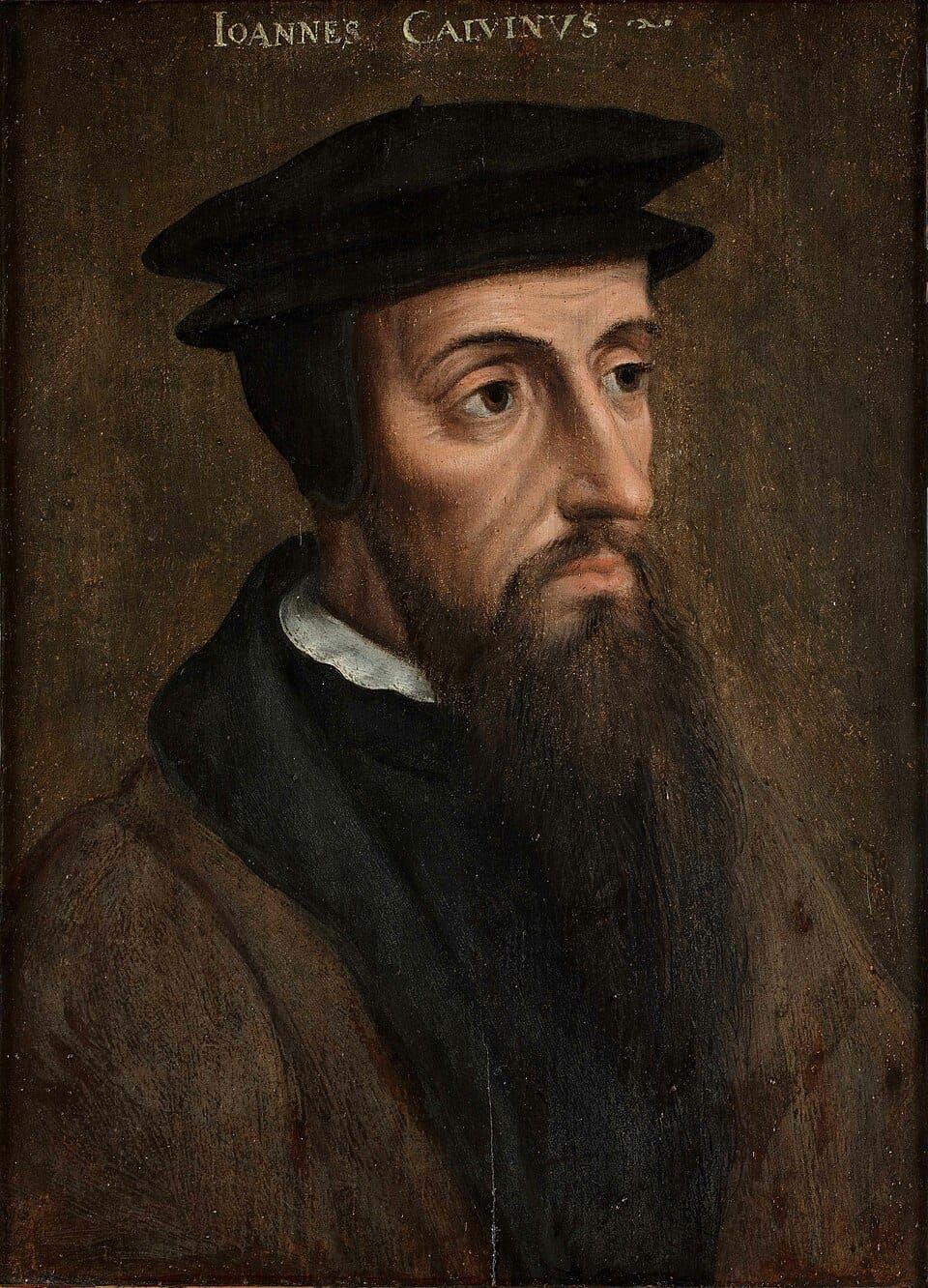
Word of Caution
Before I begin, I would like to offer a word of caution and a fair warning. The conversation and debate on free will can often be more harmful than helpful. Calvin himself discusses this at the beginning of his section on free will in his Institutes of the Christian Religion.
Therefore, my aim in this post is to offer a holistic picture of how he defines the problem and answers its questions. This, of course, means only one side of the many-sided discussion will be presented here. As of now, I do not aim to elaborate on the full spectrum of debate around the will of man. The goal is simply to lay out John Calvin's take on it as is described in The Institutes of the Christian Religion.
As always, my mission is to make the complex simple. To boil down the writings of others to their most essential form. So sit back, grab a cup of your favorite beverage, and enjoy the following post.
The Problem and Quick Answer
We should start with some facts and work our way up to the problem that arises. There are, of course, many ways to get to the same place in this, but the following is, in my opinion, the quickest.
They have all turned aside, altogether they have become worthless; There is no one who does good, not even one. – Psalm 14:3
for all have sinned and fall short of the glory of God – Romans 3:23
Therefore, just as sin came into the world through one man, and death through sin, and so death spread to all men because all sinned – Romans 5:12
We know that all have a sin nature, that through Adam we have inherited sin into us. However, we also know that God saves us from this sin.
She will bear a son, and you shall call his name Jesus, for he will save his people from their sins. – Matthew 1:21
The question comes up, then, who initiates this interaction? At the heart of this whole debate, I believe, this is the central question. Of course, there are tons of tangents and side conversations, not to mention all the impacts the answer to this question can have on other theological questions.
But for Calvin, the main doctrine in play is what we now know as Total Depravity. That is to say that his answer to the question is that man can never reach out to God without God first reaching out to him. Therefore, it is God who initiates this interaction.
Quite honestly, this is probably as far as most people should go. To go further than this is to step into heavy philosophical and systematic thinking. If you stop here, you will still have the humility that comes with total depravity, you will not be committed to many more positions than what's explicitly said, and you will also not lose your sanity trying to keep in balance the many moving parts at play.
For those who do wish, and I hope you do if you're reading this, to go forward, the next question to ask is, "How come I cannot reach out to God first?" Good question! That is what the remainder of this post will cover. I will separate it into four different sections: The Fallen, The Renewed, The Fully Realized, and The Adam.
The reason for the separation is due to the different states that people can be in. These states change the abilities that people have and thus change the conversation slightly. This is also kind of how John Calvin separates his chapter, and interestingly enough, even how St. Augustine frames his teachings on the same topic. This is because much of what Calvin teaches here is straight out of Augustine, only more rigid and systematic.
The Fallen
Definitions
The Will of People: The voluntary, non-compulsive acts that people do.
Total Depravity: The complete inability to be the author or owner of righteousness.
Righteousness: The things that are found in God's nature. (Fruit of the Spirit)
Argument
To answer the question, "How come I cannot reach out to God first?" you must first know that the act of reaching out to God is an act of righteousness, and since you are totally deprived of righteousness, you cannot do it. So then, the next question becomes, "Why can I not do any righteous acts?" And now we are in the thick of it; this is where the real fun begins. Calvin's short answer to this is because your will is corrupt, through Adam's sin in the garden, Genesis 3 (this is called Original Sin).
It would be helpful to go into how Calvin defines the relevant parts that make up a person. There are two pieces here: (1) the nature and (2) the will. Both are corrupted from original sin, but the nature is where the will takes its cues from. Take, for example, a cat; it is in a cat's nature to eat, sleep, and play. The cat’s nature does not contain the ability to form logical strings of arguments to come to a conclusion. The cat, therefore, cannot will to debate; it can only will to eat, sleep, and play. Much like this, the fallen person's nature is corrupted and lacks righteousness, and therefore, the fallen person cannot will to do righteousness.
So we are now left with a person whose nature is fully corrupt, without the capability of righteousness. Calvin emphasizes multiple times that while nature is hamstrung and lacking righteousness, man is not forced or coerced into sinning. We still chose to sin. We are balancing two things here: (1) a broken nature with limited options, (2) the reality of our unforced acts of sin.
Having already discussed where number one comes from, this is the reason for number two. It is to remove any claim that people are forced to sin by God, therefore making God the author of sin, and removing our liability for our actions.
When dealing with two seemingly opposing truths in the Bible, we must think about it like a river; the goal is to stay floating down the river.
The east bank of the river here is God being the author of sin, and man not being responsible for his actions. This completely undermines the work of redemption that God has done and is therefore not Biblical.
The west bank of the river is man's ability to save himself. This too undermines the work of salvation. God must be the author of salvation, no matter what, or else we take on too much pride and ability that we cannot bear.
Summary of the Fallen
What you need to know about the fallen in short is that their nature has been corrupted by original sin and limited in ability. Because of this, their will cannot will righteousness. Therefore, they lack free will as their will is in bondage to sin.
The Renewed
The next stage of this argument is about the renewed person. The renewed person is defined by the initial act of salvation. God reached out and pulled you out of your sin and made you new. Because of this, your will is actually freer than before. You are able to seek righteousness, but also able to sin.
You're not totally free, as your nature is not fully restored. Calvin says there remains a smoldering cinder of evil in the renewed. Because of this, you will continue to sin while also enjoying the wonderful acts of God inside of you. Calvin asserts that every righteous thing you do here is attributed to God; give Him the glory. But the smoldering remnants of sin are attributed still to you as they were before. That has been paid for by Christ on the cross, yes, but it is still not God causing you to sin.
A good way to think of this is that the fallen person lacks God's righteousness in their nature. Whereas the renewed person has began the process of recovering it. To put this into precise theological terms, the renewed person has been fully justified and thus can begin to move towards Christ, but not fully sanctified. Calvin describes this dynamic by saying that the Spirit and the flesh still struggle with each other before the resurrection and second coming of Christ.
So, to put it shortly, the state of the renewed person is one of conflicted freedom. God ultimately does the righteous works in them, but they may still choose to reject Him for the moment.
The Fully Realized
The next state to cover is the one that professing Christians all hope for. The fully realized is the resurrected body. This is when Christ returns again and makes a new heaven and earth. Here, we actually have less free will than Adam did in the garden.
This is because the resurrected body will no longer want to sin. It will walk in step with the Lord and not ever reject Him. In keeping with the language used here, the nature contains only righteousness and therefore cannot allow the will to sin. It is fully realized in its righteousness, not just living with a smoldering remnant of sin.
The key phrase to know here is: the fully realized will have a limited nature containing only God's righteousness and will only will to do righteousness.
The Adam
Now, for one that contains the final huge mystery and debate in Calvin's teaching of man's will. Adam and Eve, before the fall, are said to have been the only ones with total free will. Why? This is because they had the ability to choose God and to reject Him. They had not been corrupted by sin at this point and were pure and blameless. Therefore, they walked perfectly with God while having a fully capable nature.
Unfortunately, due to this free will, they did, for whatever reason, choose to reject God. This is, in fact, a point of contention in Calvin's thought. Why and how did Adam choose to sin that first time? Ultimately, we do not know, and Calvin admits as much. He says it must be a mystery in the will of God as to why Adam chose to sin and why God allowed it to happen.
Nevertheless, he did, and because of that, we now enter the state we are all born into: sin.
Summary
I want to point out here that if you have ever read or heard about what St. Augustine taught on this subject, then this should all be a review. Calvin probably (I have not confirmed this) quotes Augustine more than anyone else in his book, aside from the Bible. This is because Calvin saw his work as mostly an extension of the work of Augustine. So I will summarize Calvin's teachings by using Augustine's own teaching:
- Before the fall (Adam): able to sin and able not to sin
- After the fall (The Fallen): unable not to sin
- After grace (The Renewed): able not to sin
- In glory (The Fully Realized): unable to sin
There are, of course, some minor differences between the two, mostly due to Calvin being more rigorous and strict on definitions and usage of words, but this summary puts it really well.
One final reminder, do not simply read this and take it for Gospel. Read the Bible and search God for wisdom. There is not one systematic theology that is perfect, and there never will be. That is part of the beauty of studying the Word.
As I said in the beginning, if you only take from this the understanding that God first called you, then you are in good standing. If you do desire to go deeper, understand this is only the beginning of a much larger conversation. Go read the other reformers on what they have to say about the will of man, read the early church fathers, read theologians who disagree with the reformers entirely (like the Arminians), and anyone else you can find. Don't ever take one side of an argument as fact without exploring other explanations.
Thank you for reading this post! Please comment down below what questions or thoughts you have. As always the book I used in reference here is listed below. It is a pretty massive one but this is mostly off of the second chapter labeled "knowledge of man and free will."
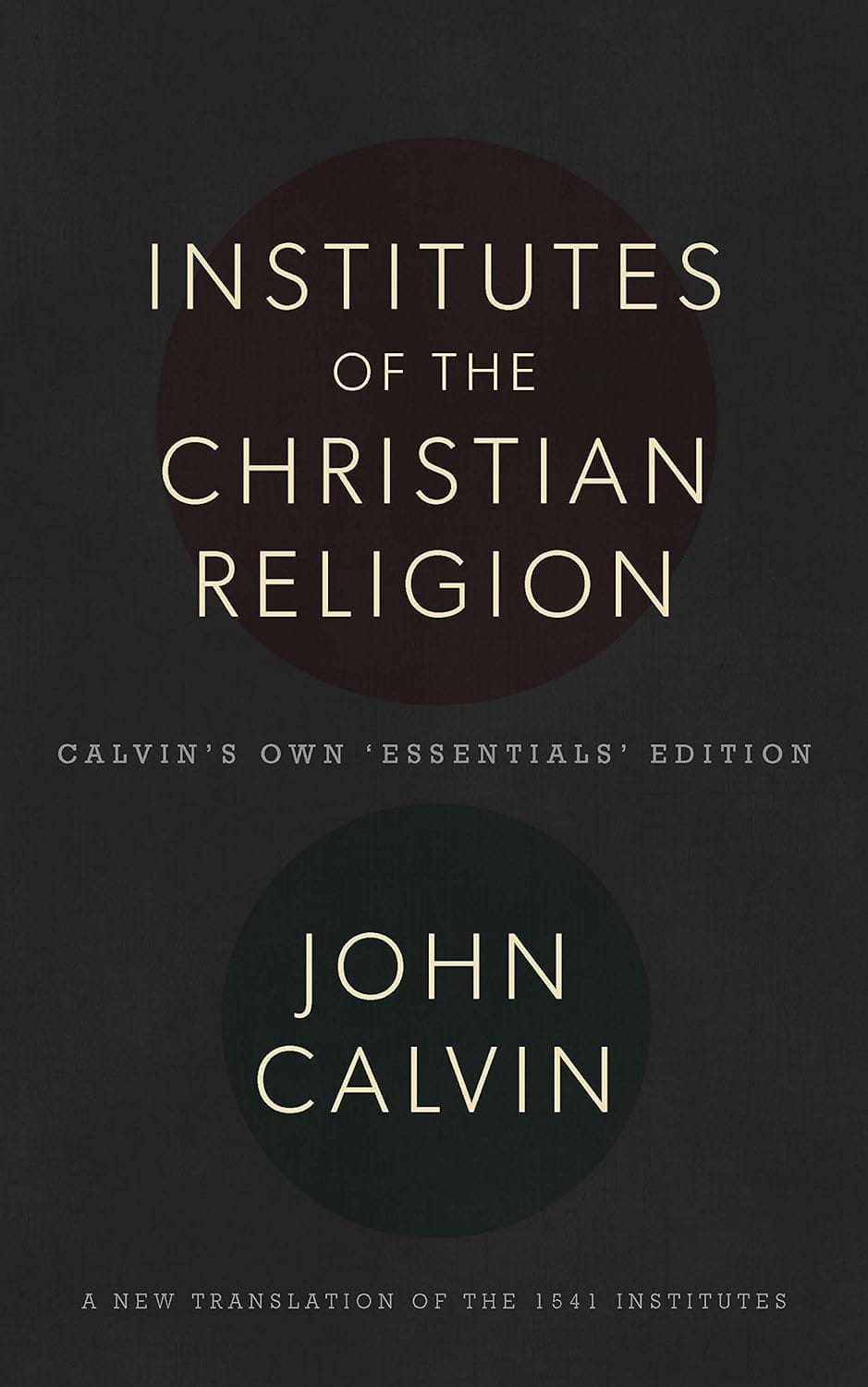
Institutes of the Christian Religion by John Calvin
Here's the Amazon link to the copy I have. I am not sponsored or an affiliate, just providing the resources for your benefit.
Member discussion